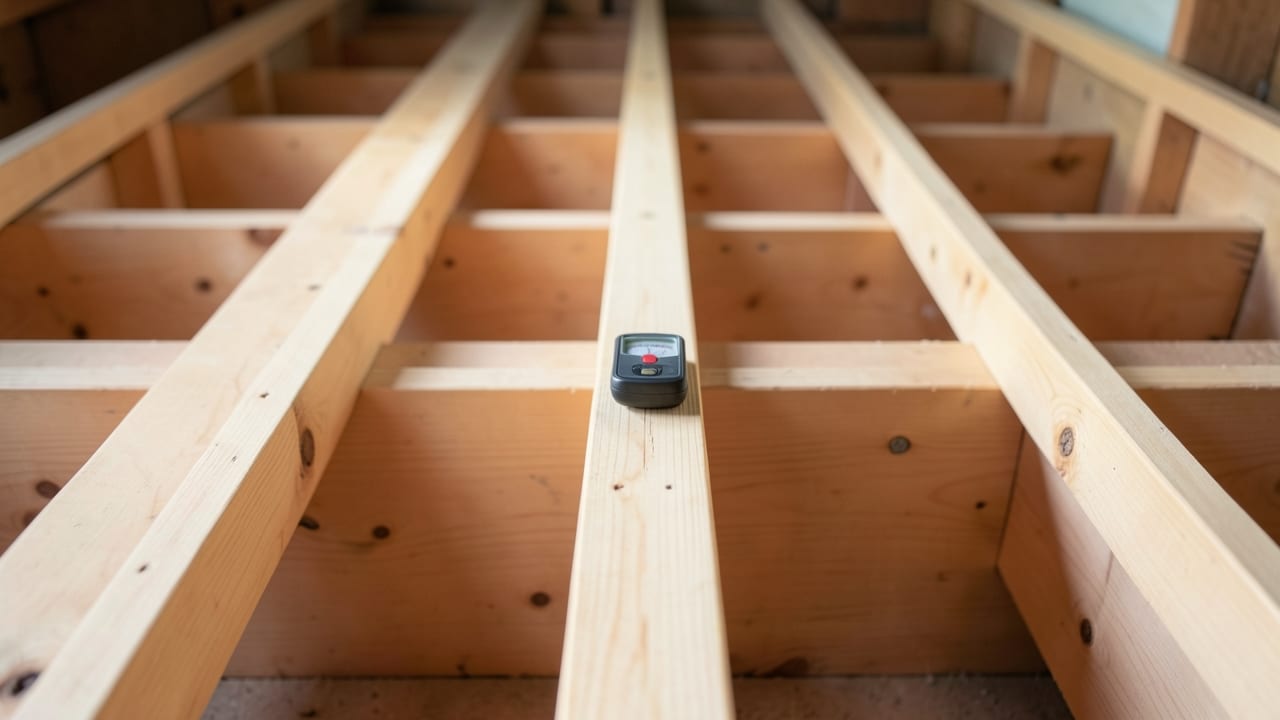
Spring Mold Inspection
Professional assessment and identification of mold growth in homes.
Spring in Newport, RI, brings higher humidity and increased moisture risks that can lead to hidden mold growth. A professional spring mold inspection identifies active mold, traces moisture sources, and documents affected areas so remediation can target the root cause—not just the visible spores.
This assessment helps homeowners in Newport and surrounding areas understand whether a problem exists and how to address it before it spreads.
We also handle Crawl Space & Basement Mold Remediation and Attic Mold Remediation for Newport properties.
When to consider a mold inspection
Mold often starts small and spreads quietly, making it hard to detect until it’s already established. In Newport homes, common signs include a persistent musty smell in basements, closets, or bathrooms—especially after a shower—that doesn’t fade with ventilation.
Visible mold, appearing as dark spots on drywall, grout, or window frames, is another clear indicator, though its color doesn’t reveal the species present.
Other red flags include unexplained health symptoms like sneezing, itchy eyes, or headaches that improve when you leave a specific room. Past leaks or floods, even if they were cleaned up, can leave hidden moisture trapped in walls or subfloors.
A professional inspection is intended to confirm whether these signs point to active mold and, if so, where the moisture is coming from to prevent recurrence.
Signs a Mold Inspection May Be Needed
- A musty or earthy odor in a basement, bathroom, or closet that persists after airing out the space.
- Visible dark spots (black, green, brown, or speckled) on walls, ceilings, grout, or under carpets.
- Unexplained health symptoms that improve when you avoid a particular room or area of your home.
- A history of leaks or floods that were cleaned up but never professionally inspected for hidden moisture.
- Condensation or water stains on windows, pipes, or exterior walls, even if no active leak is visible.
What the inspection covers—and why it matters
A thorough spring mold inspection in Newport goes beyond surface checks. It combines a visual walkthrough with technical tools like moisture meters and thermal imaging to detect hidden dampness in walls, subfloors, and roof lines—areas where mold often thrives unseen.
Air and surface samples are collected from suspect areas and compared to a control sample from an unaffected room, ensuring lab results provide context rather than isolated data.
The inspection also traces moisture back to its source, whether it’s a roof leak, plumbing issue, poor grading, or condensation. Without addressing the moisture source, remediation may only treat the symptoms, not the cause.
The findings are documented in a written scope report, which serves as a roadmap for remediation and, in some cases, a legal requirement before work begins.
| Step | Tool/Method | Purpose |
|---|---|---|
| Visual Inspection | Flashlight, moisture meter | Identify visible mold, staining, and water damage in walls, ceilings, and hidden areas. |
| Moisture Detection | Thermal imaging, moisture meter | Locate hidden dampness in cavities, subfloors, and roof lines that aren’t visible to the naked eye. |
| Air Sampling | Spore traps | Measure mold spore concentration in suspect areas compared to a clean-air control sample. |
| Surface Sampling | Swabs | Test specific surfaces for mold presence and species, with results analyzed by an independent lab. |
| Moisture Source Diagnosis | Inspection of plumbing, roof, grading, and ventilation | Determine the origin of moisture to prevent future mold growth. |
What affects pricing and timing
The cost of a spring mold inspection in Newport typically ranges between $260 and $370, based on the size of the home and the number of areas requiring assessment. This range reflects standard market pricing for a visual inspection and basic testing, not including remediation.
Pricing can vary depending on whether additional samples are needed or if the inspection extends to multiple levels or outbuildings.
Timing depends on the complexity of the inspection and lab turnaround for sample analysis, which usually takes two to five business days. The inspection itself is completed in a few hours, but the full process includes documenting findings, tracing moisture sources, and preparing a detailed report.
Homeowners should expect to receive the report within a week of the inspection.
How a spring mold inspection works
A professional inspection follows a structured process to identify mold and moisture sources in your Newport home.
- 1Visual and Moisture Assessment
The inspector examines every room, focusing on areas prone to moisture—basements, bathrooms, kitchens, and crawl spaces. They look for visible mold, water stains, and musty odors, then use a moisture meter and thermal imaging to detect hidden dampness in walls and subfloors.
- 2Sample Collection
Air samples are taken using spore traps in suspect areas and one unaffected room as a control. Surface swabs collect samples from visible mold and high-risk surfaces. All samples are sealed and sent to an independent lab for unbiased analysis.
- 3Moisture Source Investigation
The inspector traces moisture back to its origin, checking for leaks, poor ventilation, or structural issues like roof flashing or grading problems. This step ensures the report identifies not just mold presence but also how to prevent its return.
- 4Lab Analysis and Reporting
An accredited lab analyzes the samples for mold species and spore concentration. The inspector compiles the findings, including affected materials, moisture sources, and square footage, into a written scope report for remediation planning.
Frequently asked questions
Can I tell if mold is present just by looking at it, or do I need an inspection?
Visible mold is a clear sign, but many types grow hidden behind walls or under floors. An inspection uses tools like moisture meters and thermal imaging to detect hidden issues, and lab testing identifies species and spore levels. Without testing, you may miss active growth or moisture sources that could cause future problems.
Will the inspection tell me exactly what kind of mold I have?
Yes. Surface and air samples are sent to an independent lab, which identifies the mold species and spore concentration. This information helps determine whether the mold is toxic or simply a nuisance, and whether remediation is necessary.
What happens if the inspection finds mold? Do I have to remediate immediately?
The inspection provides a clear picture of the problem and its source. Remediation isn’t always urgent, but addressing moisture sources and removing active mold prevents further damage. A written scope report from the inspection helps you plan the next steps based on the severity and location of the mold.
Can I do anything to prepare for the inspection?
Ensure the inspector has access to all areas of your home, including basements, attics, and crawl spaces. Move small items that might block access, but don’t clean or disturb any suspect areas—this could affect sample accuracy. Provide details about past leaks, floods, or health concerns that might relate to mold.
Where Newport sits, and what the Census lists nearby
Newport sits in Rhode Island, and the closest places listed in the U.S. Census Gazetteer are Newport East (3.2 miles northeast), Melville (5.8 miles north), Narragansett Pier (8.3 miles southwest), Wakefield-Peace Dale (9.6 miles west).
Within 25 miles of Newport the same source lists 26 distinct incorporated places and census-designated places.
Those figures matter for spring mold inspection because they are straight-line distances between Census coordinate points: road mileage between Newport and Newport East runs longer than the 3.2 miles shown, which is why quotes for the same job differ between towns that look close together on a map.
Source: U.S. Census Bureau Gazetteer.
See Charlestown, RI for more, or take a look at everything on offer in Newport on a single page for our complete lineup.
Ready to get started?
Talk to a local mold remediation pro in Newport — get a written quote.
Other Mold Remediation Services in Newport
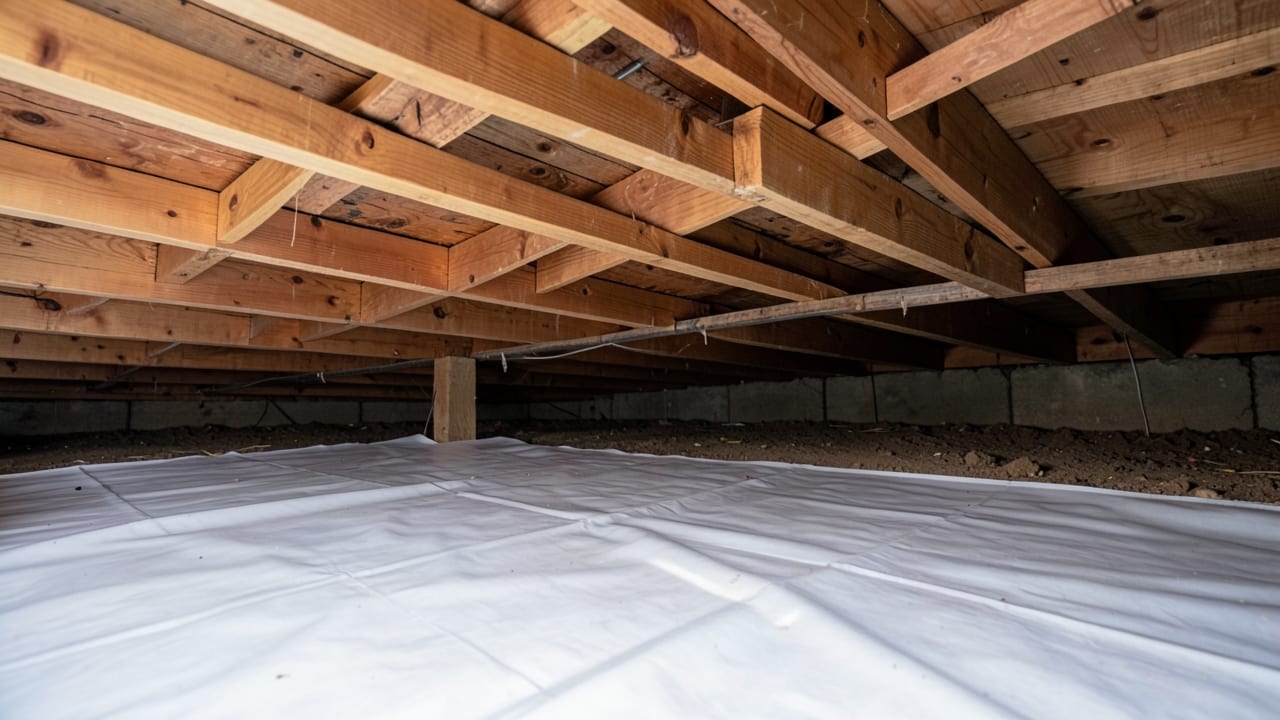
Crawl Space & Basement Mold Remediation in Newport, RI
Crawl space and basement mold remediation in Newport, RI addresses the two areas of a property most prone to trapped, unnoticed moisture.
Learn More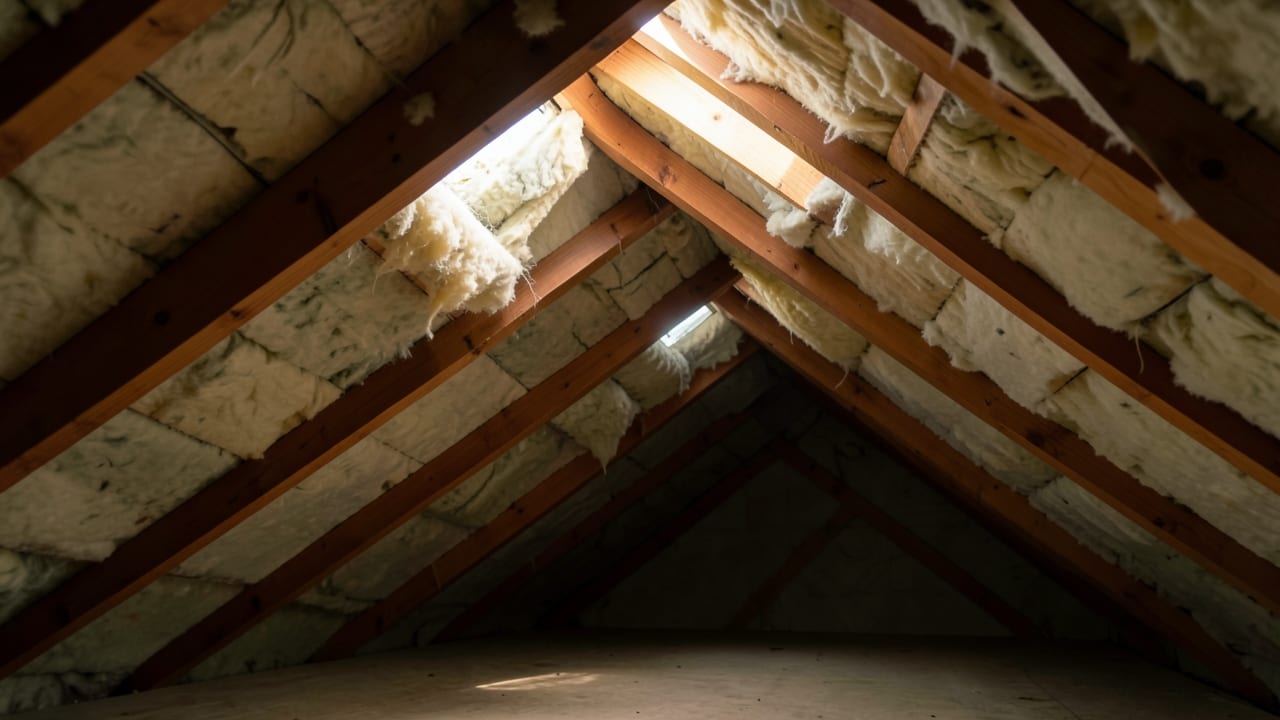
Attic Mold Remediation in Newport, RI
Attic mold remediation in Newport, RI addresses roof-deck growth typically caused by poor ventilation or a hidden roof leak.
Learn More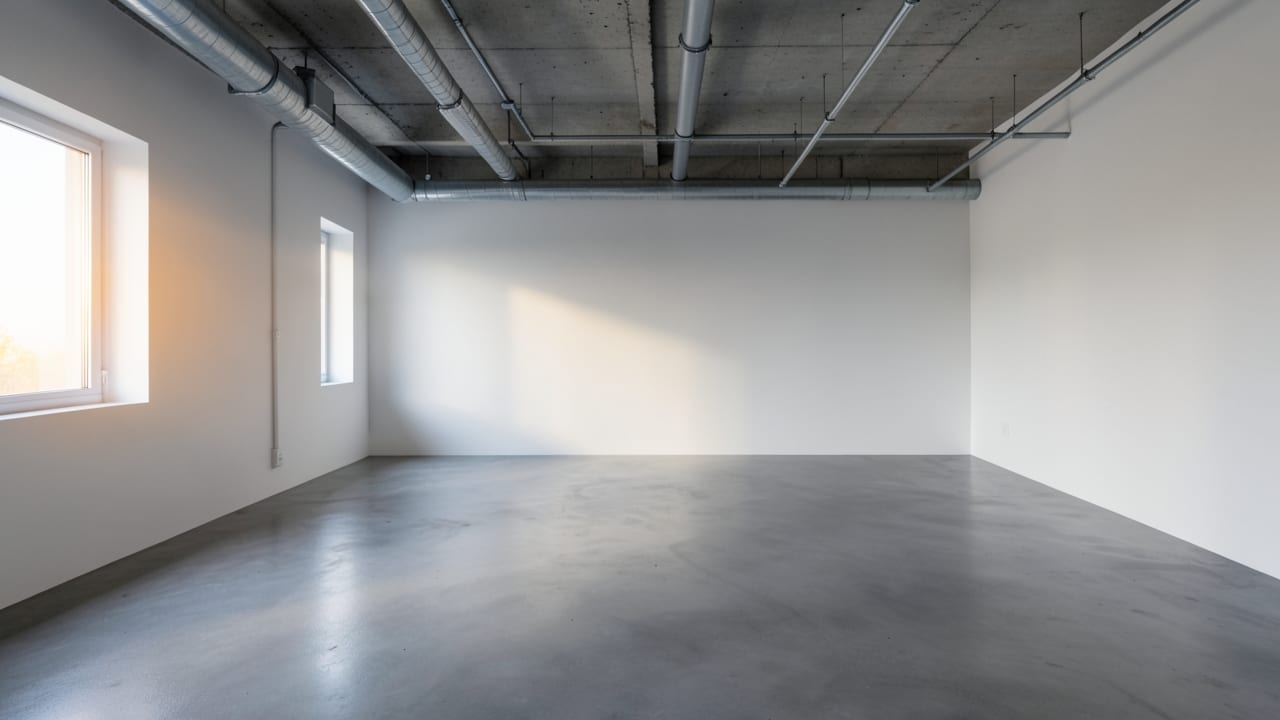
Commercial Mold Remediation in Newport, RI
Commercial mold inspection and remediation in Newport, RI for offices, retail space, and multi-unit properties, scheduled around business operations.
Learn More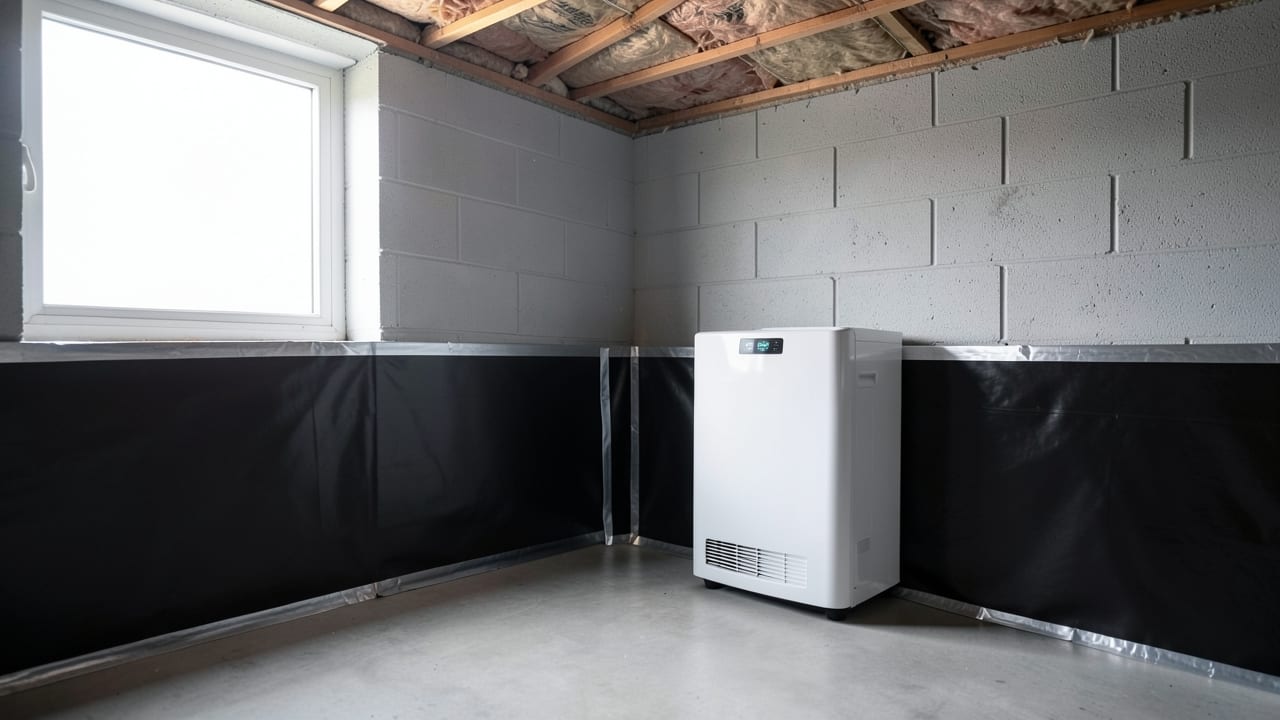
Mold Prevention & Moisture Control in Newport, RI
Mold prevention and moisture control in Newport, RI — addressing ventilation, humidity, and drainage before growth starts, not after.
Learn More
Mold & Asbestos Testing in Newport, RI
Combined mold and asbestos testing in Newport, RI — one inspection visit, lab-verified results for both.
Learn More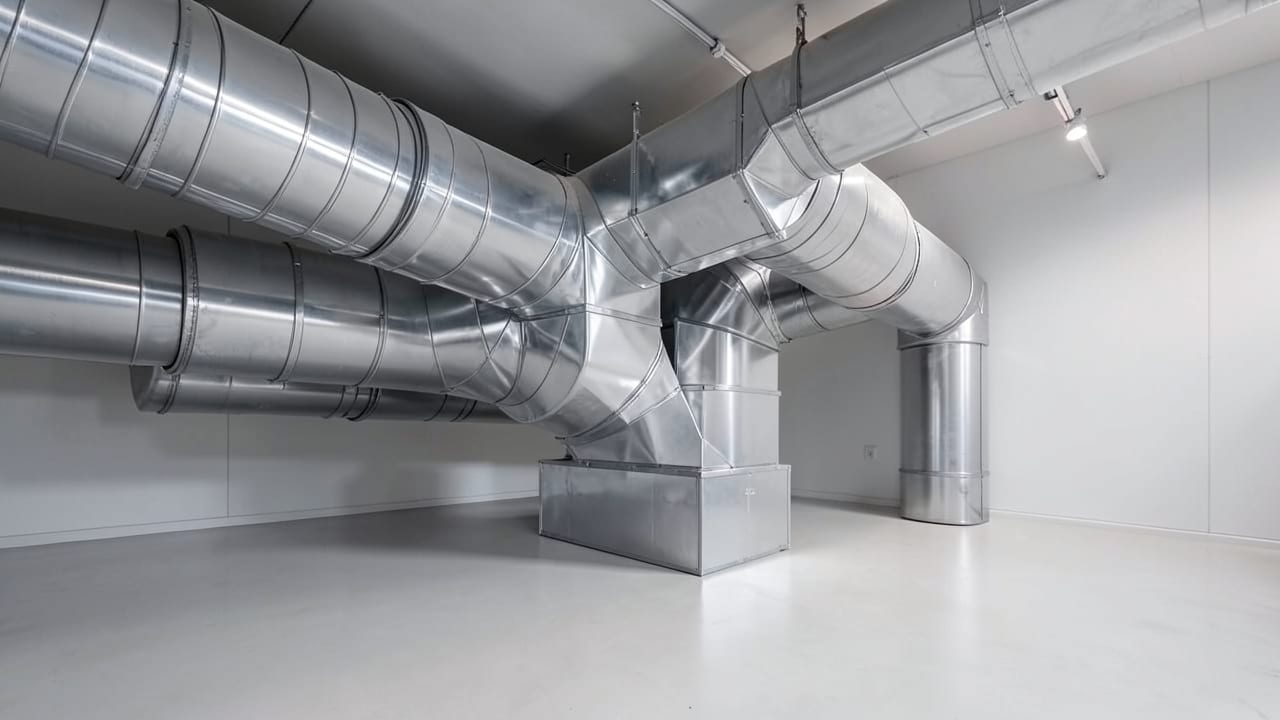
HVAC Mold Remediation in Newport, RI
HVAC and ductwork mold remediation in Newport, RI — mold growing inside the air handler or duct system, spreading through every vent.
Learn MoreCommon Questions About Mold Remediation in Newport
Everything you need to know about mold remediation services in Newport
How much does Spring Mold Inspection typically cost in Newport, RI?
Why does Newport, RI's humidity make mold a bigger risk than in drier regions?
Is it safe to stay in the home during mold remediation?
Can small mold problems be handled without hiring anyone?
What's the actual difference between mold removal and mold remediation?
Is a final clearance test part of a typical mold remediation job?
Need Mold Remediation in Newport?
Connect with local providers in Newport for a detailed quote.
⏰ We answer your call • Serving all of Newport and surrounding areas